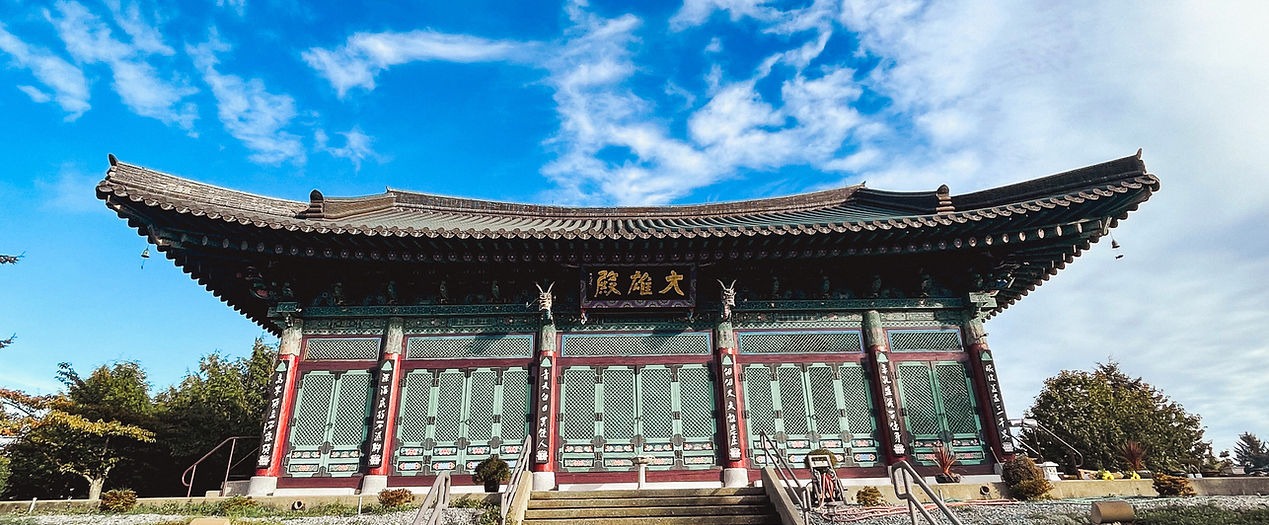
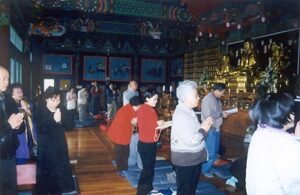
Seumisa (pronounced Seomisa) is a traditional Korean Buddhist temple located in Tacoma, Washington.
While rooted in centuries of Buddhist tradition, Seumisa today welcomes all who seek a space for quiet reflection, mindful living, and inner peace.
The path that led to Seumisa began over 2,500 years ago with the teachings of the Buddha. Those teachings—of awareness, compassion, and clarity—traveled from India to Korea, and eventually, here to the Pacific Northwest.
In Korea, Buddhism was introduced in the 4th century and became deeply woven into the country’s culture, art, and philosophy. For over a thousand years, Korean temples have served as sanctuaries for meditation, community, and spiritual cultivation—often nestled in mountains and surrounded by nature. This deep-rooted tradition continues today at Seumisa.
Honoring that lineage, Seumisa also enshrines sacred relics of the Buddha (sarira), offering a rare and profound connection to the awakened one.
These relics serve as a reminder of impermanence, wisdom, and the possibility of awakening within each of us.
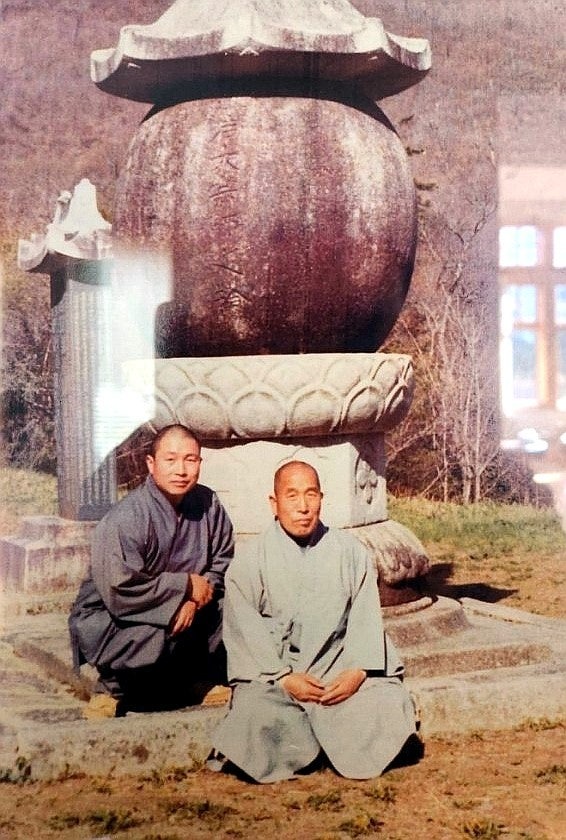
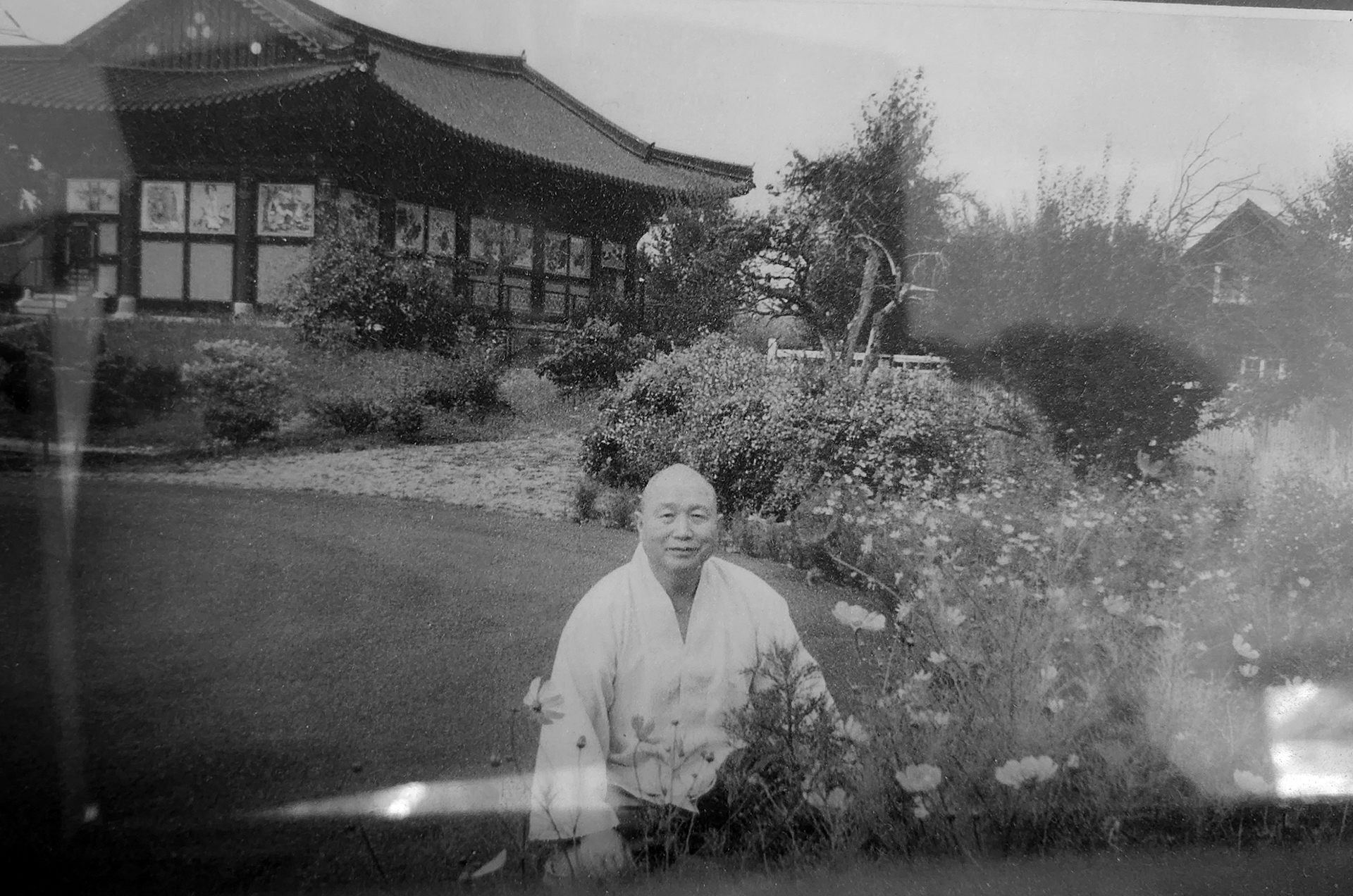
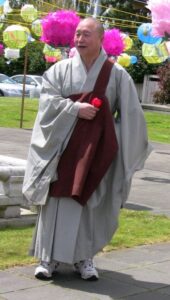
Seumisa was officially founded in 1983 by Venerable Ilmyeon, after years of dedicated effort to bring the spirit of Korean temple life to North America. Since then, it has grown into a spiritual home for many—offering moments of stillness in the midst of busy modern lives.
Here, meditation is not just a practice, but a way to reconnect with the present. Whether through seated silence, mindful rituals, or simply walking the quiet temple grounds, visitors are invited to step away from daily noise and return to themselves.
On-site parking is available.