서미사 최초의 스승, 일면스님을 만나다. Meet Ilmyeon: The First Master of Seumisa Temple
Quote from Kai Chan Andrew on 09/15/2025, 1:38 am
The story in English is below. PleIase scroll down.
함흥의 어린 소년
일면스님은 1939년 함경남도 함흥의 유복한 가정에서 태어났다. 어린 시절은 비교적 안정적이었으나, 10세 되던 해 6·25 전쟁이 발발하자 부모님과 함께 서울로 피난을 떠났다. 서울에서 고등학교를 졸업하는 해, 그는 곧장 출가를 결심했다.오대산 월정사 시절, 탄허 큰스님은 일면스님을 보며 “전생에 복을 많이 지어 이번 생에서는 명이 다할 때까지 그 복 덕에 살 것이다”라고 예언하셨다. 탄허 큰스님은 한국 근현대불교를 대표하는 학승으로, 엄격한 수행과 깊은 통찰력으로 불자들에게 존경받는 거장이다.
-탄허 큰스님은 한국 불교계에서 학문과 수행, 예지력 모두를 갖춘 거장으로 평가받는다. 그는 화엄경을 한국어로 최초 완역하며 동서 철학을 융합했고, 불교뿐 아니라 유교·도가 사상에도 통달했다. 또한 한국 현대사를 관통하는 주요 정치, 사회적 변화를 정확히 예견한 예지력으로도 유명하다. 탄허스님은 깊은 선 수행과 폭넓은 학문, 미래를 보는 통찰력을 겸비한 대선사로서, 한국 불교 역사상 빼놓을 수 없는 위대한 스승이다.
탄허 큰스님 위키백과 링크일면스님은 해인사에서 한국 불교의 또 다른 거장, 성철스님 문하에서 수행을 이어갔다. 성철스님은 현대 한국 선불교의 대명사로, 청정한 계행과 철저한 참선 수행으로 한국 불교에 새로운 장을 연 위대한 스승이다.
성철스님 - 1993년 11월 4일 성철 스님이 입적하신 후, 같은 해 11월 10일 합천 해인사에서 거행된 다비식(불교식 화장) 후 수백과의 사리가 수습되었다고 발표되었습니다. 정확한 숫자에 대해서는 200여 과, 130여 과 등 여러 기록이 있지만, 역대 고승 중 가장 많은 사리가 출현한 것으로 알려져 큰 화제가 되었습니다. 성철스님 위키백과 링크
부산 기장의 묘관음사에서는 향곡스님 문하에 들어가 용맹정진에 힘썼다. 향곡스님은 엄격한 수행자로 명성이 높았으며,
일면스님 역시 “이번 공부에서 반드시 득도하겠다”는 의지로 목숨을 걸고 장좌불와 수행에 몰두했다.여기서 ‘장좌불와’란 한 자리에 앉아 꼼짝하지 않고 오랜 시간 수행하는 것을 뜻하며, ‘인가를 받는다’는 것은 스승으로부터 수행과 깨달음에 대한 인정을 공식적으로 받는 것을 의미한다.
부처님 또한 보리수 아래 성불할 때 “이번에 득도하지 못하면 일어나지 않겠다”라며 결연히 수행에 임했다고 전해진다.
일면스님의 고행과 결기의 수행은 이와 같은 깊은 맥락을 함께한다.
청년 수행자
일면스님의 뿌리는 오대산 한암문도이였다. 엄격한 스님들 아래서 새벽예불과 경전 필사, 장좌불와 수행에 정진했다. 해인사에서 성철스님 문하에 있을 때 수행 깊이가 더욱 무르익었다. 통도사의 월하스님을 법사로 모시고 문도 생활을 이어가며, 월하스님은 일면스님을 각별히 아끼며 미국 진출 후에도 여러 차례 찾아와 격려했다.키가 크고, 하얀 피부에 강인한 체격 덕에 ‘백곰’으로 불렸으며, 강인함과 온화함을 겸비한 인물로 알려져 있다.
성철스님은 한국 선불교를 대표하는 인물로, 엄격한 수행과 청정계행으로 불교 수행자의 표준을 세웠다. 탄허 큰스님은 조계종의 대표적 학승이며, 깊은 통찰과 수행으로 한국 불교의 흐름에 큰 영향을 끼친 거장이다. 향곡스님은 강력한 용맹정진과 엄격한 수행법으로 존경받았다.
일면스님은 이들 스승과 함께 한국 불교 전통의 정수를 몸과 마음에 새기며 수행의 길을 닦았다.
스승과의 만남과 화두
일면스님은 젊은 시절 3년간 한 스승 스님을 가까이 모시며 시주하고 배우며 수행자의 길을 다졌다. 그 만남에서 스승은 조용히 종을 쳐
“이 종소리를 듣는 이는 누구인가?”라는 화두를 던졌고, 이 질문은 일면스님에게 평생의 방황과 깨달음의 한 줄기 빛이 되었다.그러나 3년째 되던 해, 스승은 아무 말 없이 홀연히 떠났다.
그 순간은 일면스님에게 큰 충격이었을 것이다.
다만 시간이 흐른 뒤, 그 부재가 오히려 무언의 가르침—‘스승도 언젠가는 떠나는 존재이며, 진정한 가르침은 자기 자신 안에 있다’는 의미였을 수도 있겠다는 생각을 품었을지도 모른다.
이 ‘이뭣고?’ ’(이것은 무엇인가?) 화두는 그가 돌아가신 뒤 제자 현담스님(현재 서미사 주지스님)에게도 전해져 서미사에서 큰 울림으로 남았을 것이다.
미국행과 서미사의 시작
1978년, 일면스님은 캘리포니아 삼보사 초대 주지로 미국에 건너갔다. 그러나 2년 만에 삼보사 내 갈등으로 물러나 LA에서 힘겨운 생계를 이어갔다. 1983년, 워싱턴주 타코마의 허름한 공간에서 법당을 맡으며 서미사의 초석을 놓았다. 이후 1990년대 본격적으로 사찰 건축을 시작해 1996년 대웅전과 요사채가 완공되었다.서미사의 불사
1983년부터 약 10년간, 일면스님은 체력이 쇠해질 때까지 땀 흘려가며 서미사 불사에 몰두했다. 한국과 캐나다에서 목재와 장인들을 직접 섭외하고, 현지 신도들과 깊은 교감을 나누며 한 땀 한 땀 공간을 지었다. 새벽부터 밤늦게까지 선 수행과 건축현장 일을 병행하며, 손바닥 지문까지 희미해질 만큼 정성을 쏟았다.1996년 완공된 서미사는 한국 전통 사찰 양식을 살린 건축물로, 한인뿐 아니라 현지인들에게도 아름다운 장소로 손꼽힌다. ‘서미사(西美寺)’라는 이름은 통도사 방장 월하스님이 직접 지어주었고, 서부 미국 최고 사찰이 되라는 염원을 담았다.
팔씨름에서 모두를 이길 만큼 강인했으나, 일면스님은 언제나 온화한 미소와 침묵으로 진리를 전했다. 스승의 화두 ‘이뭣고?’(이것은 무엇인가?)는 현담스님에게도 전해져 수행의 등불이 되었다.
마지막 나날들
80대에 접어들며 건강을 걱정하는 신도들에게 미소로 답했다. 하지만 코로나와 끊임없는 천도제 봉행으로 몸은 점차 쇠약해졌다. 그만큼 말보다는 행동과 노력을 다하는 삶을 사셨던 분이었을 것이다.
2022년 10월, 추모 천도제 기간 즈음 그가 몰던 차는 작은 손상만 남긴 채, 심장이 멎었다. 이는 마지막까지도 다른 이에게 피해를 주지 않으려 하셨던 스님의 자비심이 느껴지는 장면이라 추측할 수 있었다.여러 차례 제세동기를 사용해 병원에서 심폐소생을 시도했으나 회복하지 못했고, 세수 83세로 공식 입적했다. 장례식은 서미사에서 엄수되었으며, 많은 신도와 도반이 마지막 길을 배웅했다. 그의 유골과 사리는 서미사 한편 작은 탑 안에 모셔졌다.
남겨진 울림과 그 후
49재를 마친 뒤, 서미사는 스님의 숨결과 정신이 편안히 머무는 고요한 공간이 되었다. 햇살과 바람이 법당을 감싸고, 현담스님은 스승의 기운을 이어 서북미 불교의 길을 밝히고 있다. ‘이뭣고?’(이것은 무엇인가?)라는 화두는 법당 곳곳에 울려 퍼져 수행자들의 길잡이가 되고 있다. 스님의 가르침은 조용히 탑 안에서 머물며, 수많은 이들의 마음속 등불로 영원히 남아 있을 것이다.
A Young Boy from Hamhung
Venerable Ilmyeon was born in 1939 into a well-off family in Hamhung, South Hamgyong Province (now part of North Korea). His early childhood was relatively stable, but when he was 10 years old, the Korean War broke out, and he fled with his parents to Seoul. The year he graduated from high school, he decided to dedicate his life to the Buddhist path.During his time at Woljeongsa Temple on Odaesan Mountain, the renowned monk Tanheo remarked about him: “In a past life, he accumulated great merit. In this life, he will live off that merit until the end of his days.” Buddhist Master Tanheo was a towering figure in modern Korean Buddhism, respected for both his strict practice and profound insight.
Note: Buddhist Master Tanheo was a master scholar and practitioner, the first to fully translate the Avatamsaka Sutra into Korean, blending Eastern and Western philosophies. He was also known for his deep understanding of Confucianism and Daoism and for accurately predicting key political and social changes in modern Korean history.
Venerable Ilmyeon also trained under another great master, Master Seongcheol at Haeinsa Temple. Master Seongcheol is considered a modern symbol of Korean Seon (Zen) Buddhism, famous for his pure discipline and rigorous meditation practice.
At Myogwansan Temple in Gijang, Busan, Ilmyeon trained under Master Hyanggok, renowned for his strict and intense practice. Ilmyeon devoted himself completely to long, immobile seated meditation, determined to attain enlightenment.
Note: “Long-seated meditation” refers to sitting in one position for extended periods without moving, and “receiving recognition” from a teacher signifies formal acknowledgment of one’s practice and progress toward enlightenment.
Like the Buddha under the Bodhi tree, who resolved not to rise until attaining enlightenment, Ilmyeon’s dedicated practice and resolve were part of this same deep tradition.
Master Tanheo wiki Kr
Master Seongcheol wiki En
Young Practitioner
Ilmyeon’s roots were firmly in the Hanam lineage of Odaesan. He trained under strict masters, dedicating himself to early morning rituals, copying scriptures, and long seated meditation. During his time at Haeinsa under Master Seongcheol, his practice deepened profoundly. He also studied under Master Wolha at Tongdosa, who regarded him with special affection and continued to encourage him even after he moved to the U.S.Tall, fair-skinned, and strong, he earned the nickname “White Bear,” known for both strength and gentleness.
Master Seongcheol set the standard for Korean Seon, emphasizing strict practice and pure discipline. Buddhist Master Tanheo influenced the course of modern Korean Buddhism through his scholarship and insight. Master Hyanggok was renowned for his intense, disciplined practice. Ilmyeon absorbed the essence of these teachers, shaping his path through body and mind.
Meeting the Teacher and the Koan
As a young monk, Ilmyeon spent three years closely assisting a teacher, learning the path of a practitioner through service and study. During that time, the teacher quietly struck a bell and posed the question:"Who is it that hears this sound?"
This question became a guiding light through Ilmyeon’s lifelong journey of contemplation and insight.
In the third year, the teacher suddenly left without a word. It must have been a profound shock, and over time, it may have taught Ilmyeon that even a teacher eventually leaves and that the true guidance lies within oneself. This koan, “What is this?”, was passed down to his disciple, Hyundam monk, and continues to resonate at Seomisa Temple.
Journey to America and Founding Seomisa
In 1978, Ilmyeon moved to California as the founding abbot of Sambo Temple. After two years, due to internal conflicts, he stepped down and struggled to make a living in Los Angeles. In 1983, he took responsibility for a small temple space in Tacoma, Washington, laying the foundation for Seomisa. Construction of the temple buildings began in earnest in the early 1990s and was completed in 1996.
Building Seomisa
From 1983 onward, for nearly ten years, Ilmyeon devoted himself tirelessly to building Seomisa. He sourced materials and craftsmen from Korea and Canada and worked closely with local practitioners to construct the temple, nail by nail. Balancing meditation and construction from dawn to late night, he poured every bit of his energy and attention into the project.By 1996, Seomisa stood as a beautiful Korean-style temple near Tacoma’s Korean community, admired by both Koreans and Americans. The name Seomisa (West Beauty Temple) was given by Master Wolha , expressing the hope that it would become the foremost temple in the western U.S.
The Gentle “White Bear”
Although strong enough to win in arm wrestling, Ilmyeon always conveyed truth through quiet smiles and gentle presence. The koan “What is this?” was passed on to his disciple Hyundam monk, becoming a guiding light for meditation practice.
Final Days
In his 80s, he greeted concerned disciples with a smile. Yet the pandemic and continuous memorial services gradually weakened him. In October 2022, during a memorial period, he passed away while driving. His car sustained only minor damage, reflecting the monk’s compassion in ensuring he caused no harm to others even in his final moments.Multiple resuscitation attempts at the hospital were unsuccessful, and he passed away at the age of 83. His funeral was held at Seomisa, attended by many disciples and followers. His ashes and relics were enshrined in a small pagoda on the temple grounds.
Legacy and Continuing Influence
After the 49-day mourning period, Seomisa became a serene space where his spirit and presence could rest. Sunlight and wind flowed through the temple, and Hyundam monk continues to carry forward the master’s teachings, lighting small lamps of compassion for those on the Buddhist path.The koan “What is this?” echoes throughout the temple, guiding practitioners. The master’s teachings quietly remain in the pagoda, a lasting light in the hearts of countless people.
The story in English is below. PleIase scroll down.
함흥의 어린 소년
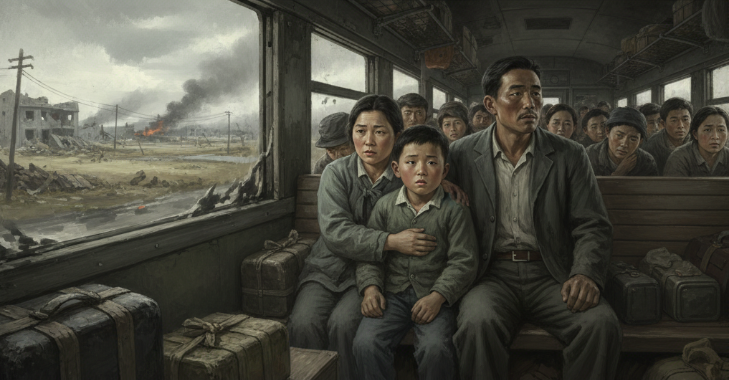
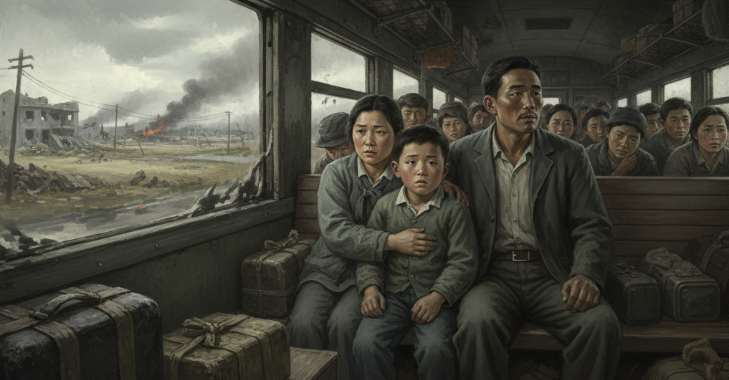
일면스님은 1939년 함경남도 함흥의 유복한 가정에서 태어났다. 어린 시절은 비교적 안정적이었으나, 10세 되던 해 6·25 전쟁이 발발하자 부모님과 함께 서울로 피난을 떠났다. 서울에서 고등학교를 졸업하는 해, 그는 곧장 출가를 결심했다.
오대산 월정사 시절, 탄허 큰스님은 일면스님을 보며 “전생에 복을 많이 지어 이번 생에서는 명이 다할 때까지 그 복 덕에 살 것이다”라고 예언하셨다. 탄허 큰스님은 한국 근현대불교를 대표하는 학승으로, 엄격한 수행과 깊은 통찰력으로 불자들에게 존경받는 거장이다.
-탄허 큰스님은 한국 불교계에서 학문과 수행, 예지력 모두를 갖춘 거장으로 평가받는다. 그는 화엄경을 한국어로 최초 완역하며 동서 철학을 융합했고, 불교뿐 아니라 유교·도가 사상에도 통달했다. 또한 한국 현대사를 관통하는 주요 정치, 사회적 변화를 정확히 예견한 예지력으로도 유명하다. 탄허스님은 깊은 선 수행과 폭넓은 학문, 미래를 보는 통찰력을 겸비한 대선사로서, 한국 불교 역사상 빼놓을 수 없는 위대한 스승이다.
탄허 큰스님 위키백과 링크
일면스님은 해인사에서 한국 불교의 또 다른 거장, 성철스님 문하에서 수행을 이어갔다. 성철스님은 현대 한국 선불교의 대명사로, 청정한 계행과 철저한 참선 수행으로 한국 불교에 새로운 장을 연 위대한 스승이다.
성철스님 - 1993년 11월 4일 성철 스님이 입적하신 후, 같은 해 11월 10일 합천 해인사에서 거행된 다비식(불교식 화장) 후 수백과의 사리가 수습되었다고 발표되었습니다. 정확한 숫자에 대해서는 200여 과, 130여 과 등 여러 기록이 있지만, 역대 고승 중 가장 많은 사리가 출현한 것으로 알려져 큰 화제가 되었습니다. 성철스님 위키백과 링크
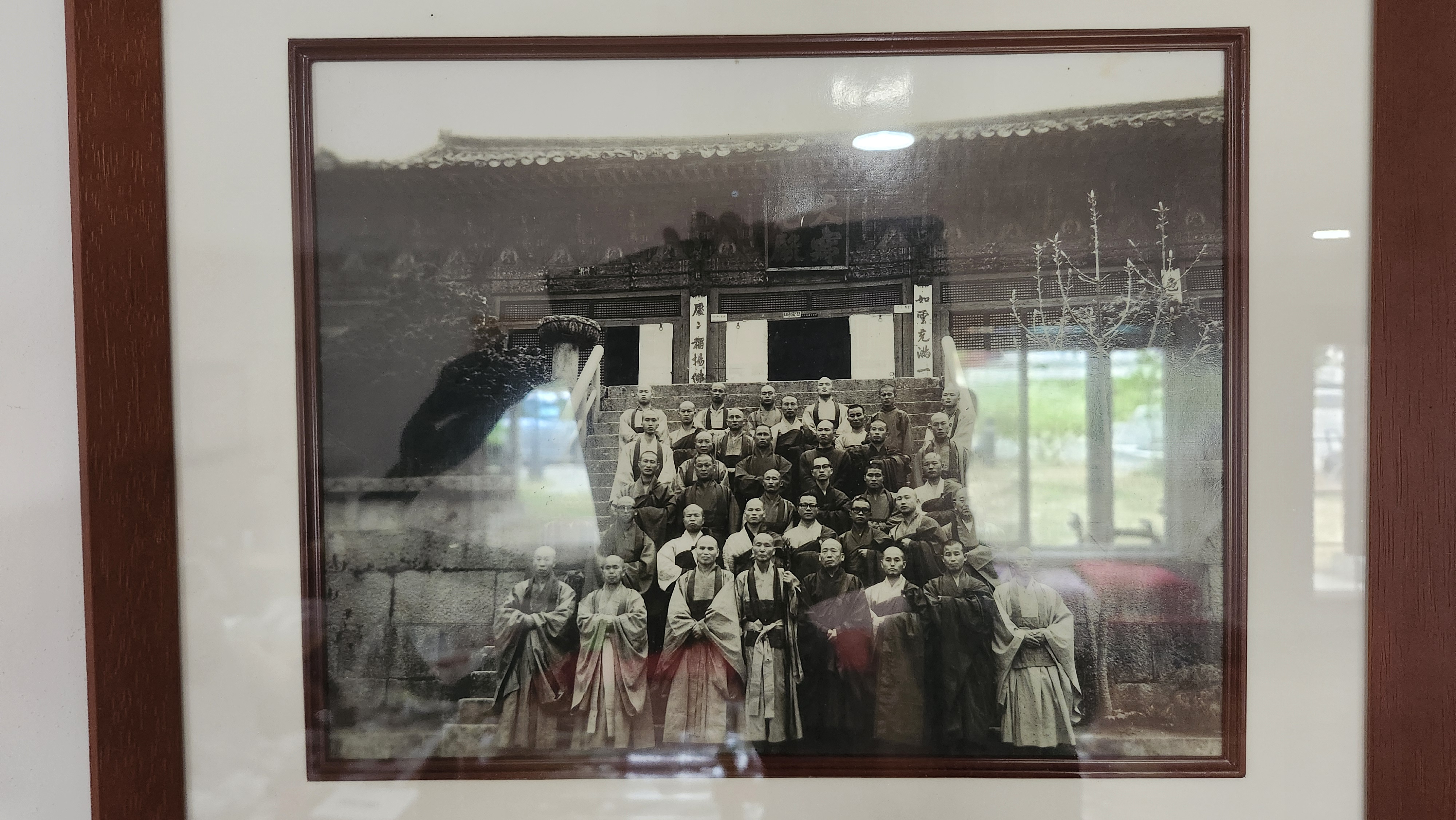
부산 기장의 묘관음사에서는 향곡스님 문하에 들어가 용맹정진에 힘썼다. 향곡스님은 엄격한 수행자로 명성이 높았으며,
일면스님 역시 “이번 공부에서 반드시 득도하겠다”는 의지로 목숨을 걸고 장좌불와 수행에 몰두했다.
여기서 ‘장좌불와’란 한 자리에 앉아 꼼짝하지 않고 오랜 시간 수행하는 것을 뜻하며, ‘인가를 받는다’는 것은 스승으로부터 수행과 깨달음에 대한 인정을 공식적으로 받는 것을 의미한다.
부처님 또한 보리수 아래 성불할 때 “이번에 득도하지 못하면 일어나지 않겠다”라며 결연히 수행에 임했다고 전해진다.
일면스님의 고행과 결기의 수행은 이와 같은 깊은 맥락을 함께한다.
청년 수행자
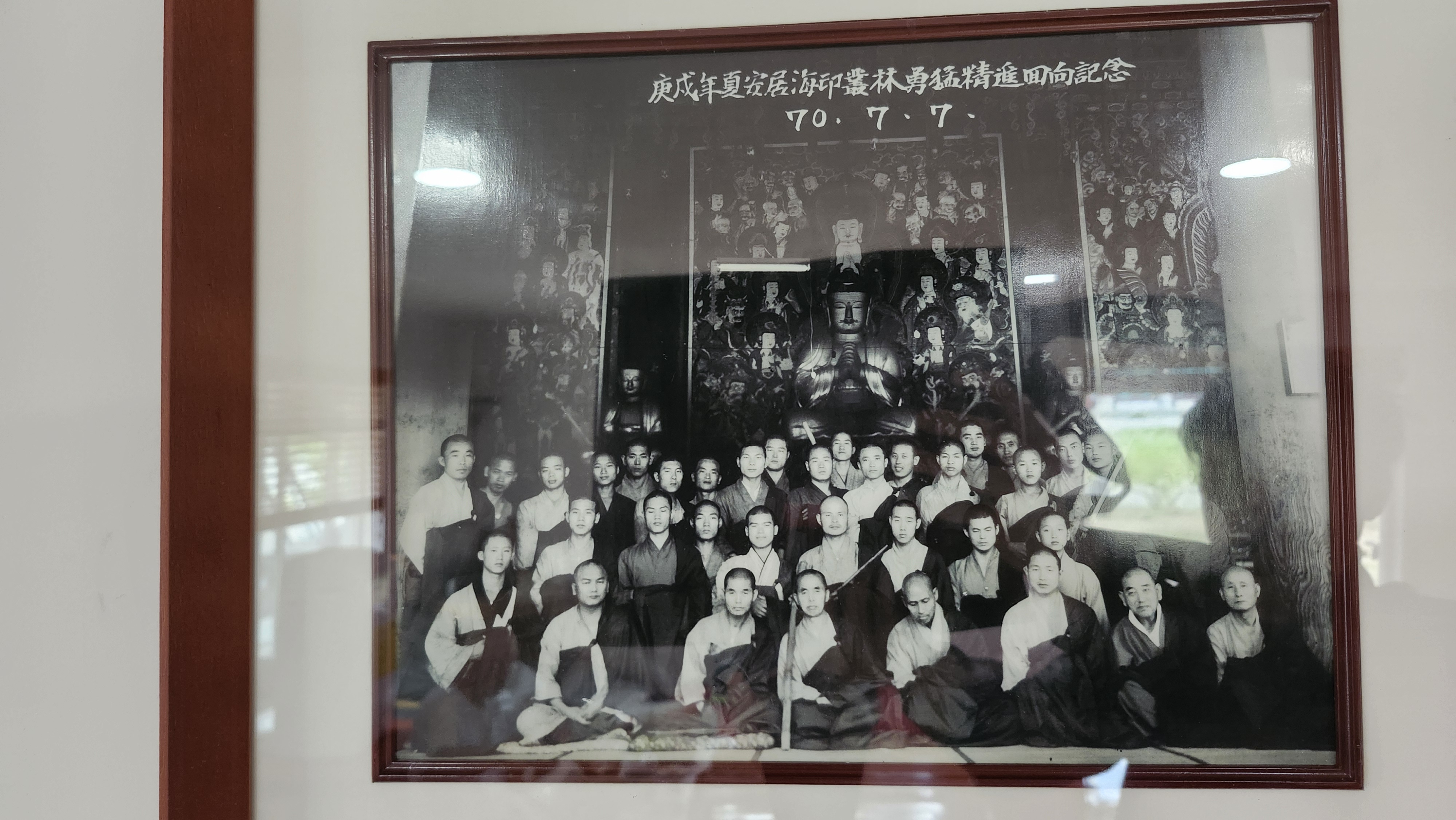
일면스님의 뿌리는 오대산 한암문도이였다. 엄격한 스님들 아래서 새벽예불과 경전 필사, 장좌불와 수행에 정진했다. 해인사에서 성철스님 문하에 있을 때 수행 깊이가 더욱 무르익었다. 통도사의 월하스님을 법사로 모시고 문도 생활을 이어가며, 월하스님은 일면스님을 각별히 아끼며 미국 진출 후에도 여러 차례 찾아와 격려했다.
키가 크고, 하얀 피부에 강인한 체격 덕에 ‘백곰’으로 불렸으며, 강인함과 온화함을 겸비한 인물로 알려져 있다.
성철스님은 한국 선불교를 대표하는 인물로, 엄격한 수행과 청정계행으로 불교 수행자의 표준을 세웠다. 탄허 큰스님은 조계종의 대표적 학승이며, 깊은 통찰과 수행으로 한국 불교의 흐름에 큰 영향을 끼친 거장이다. 향곡스님은 강력한 용맹정진과 엄격한 수행법으로 존경받았다.
일면스님은 이들 스승과 함께 한국 불교 전통의 정수를 몸과 마음에 새기며 수행의 길을 닦았다.
스승과의 만남과 화두
일면스님은 젊은 시절 3년간 한 스승 스님을 가까이 모시며 시주하고 배우며 수행자의 길을 다졌다. 그 만남에서 스승은 조용히 종을 쳐
“이 종소리를 듣는 이는 누구인가?”라는 화두를 던졌고, 이 질문은 일면스님에게 평생의 방황과 깨달음의 한 줄기 빛이 되었다.
그러나 3년째 되던 해, 스승은 아무 말 없이 홀연히 떠났다.
그 순간은 일면스님에게 큰 충격이었을 것이다.
다만 시간이 흐른 뒤, 그 부재가 오히려 무언의 가르침—‘스승도 언젠가는 떠나는 존재이며, 진정한 가르침은 자기 자신 안에 있다’는 의미였을 수도 있겠다는 생각을 품었을지도 모른다.
이 ‘이뭣고?’ ’(이것은 무엇인가?) 화두는 그가 돌아가신 뒤 제자 현담스님(현재 서미사 주지스님)에게도 전해져 서미사에서 큰 울림으로 남았을 것이다.
미국행과 서미사의 시작
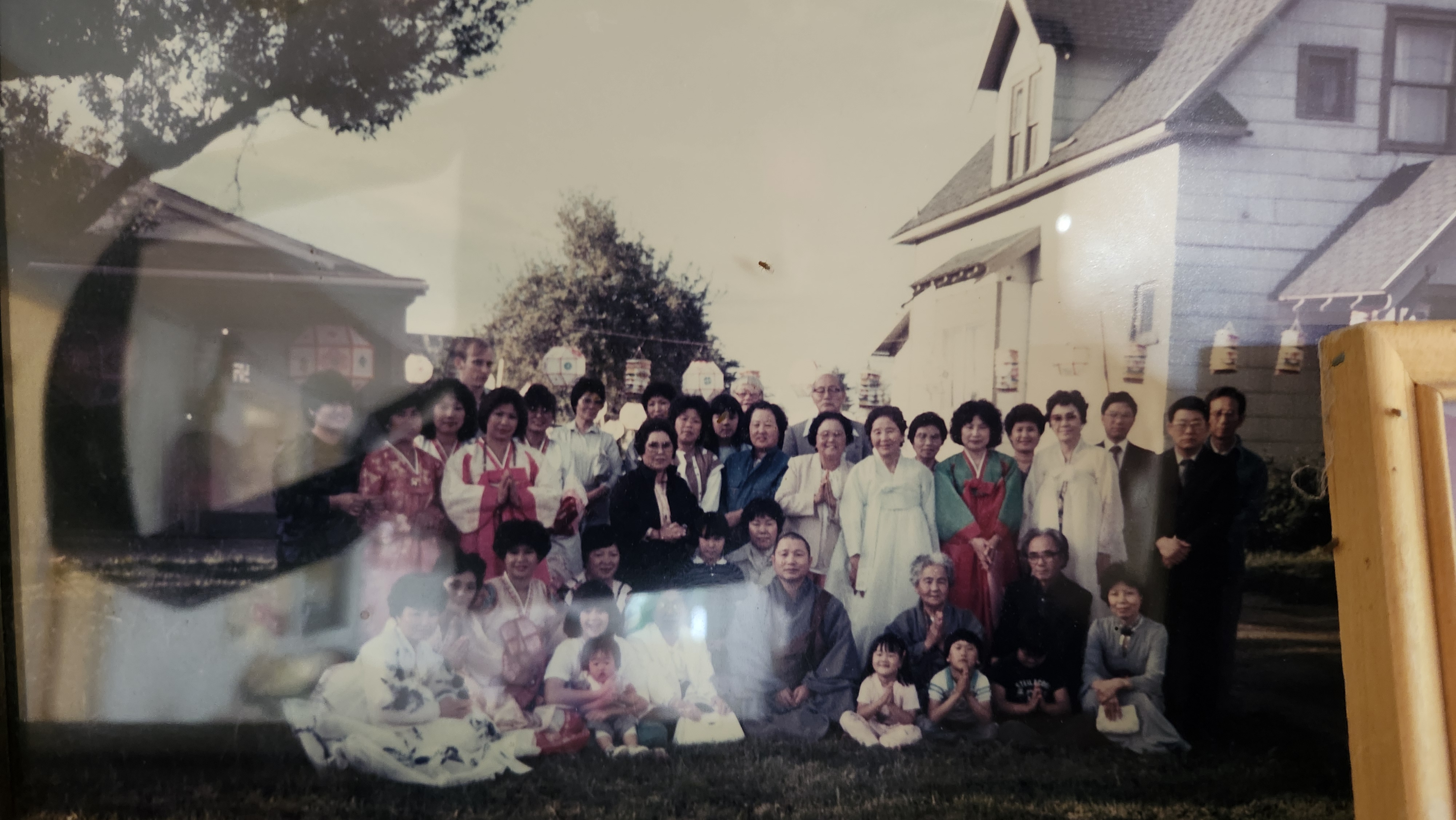
1978년, 일면스님은 캘리포니아 삼보사 초대 주지로 미국에 건너갔다. 그러나 2년 만에 삼보사 내 갈등으로 물러나 LA에서 힘겨운 생계를 이어갔다. 1983년, 워싱턴주 타코마의 허름한 공간에서 법당을 맡으며 서미사의 초석을 놓았다. 이후 1990년대 본격적으로 사찰 건축을 시작해 1996년 대웅전과 요사채가 완공되었다.
서미사의 불사
1983년부터 약 10년간, 일면스님은 체력이 쇠해질 때까지 땀 흘려가며 서미사 불사에 몰두했다. 한국과 캐나다에서 목재와 장인들을 직접 섭외하고, 현지 신도들과 깊은 교감을 나누며 한 땀 한 땀 공간을 지었다. 새벽부터 밤늦게까지 선 수행과 건축현장 일을 병행하며, 손바닥 지문까지 희미해질 만큼 정성을 쏟았다.
1996년 완공된 서미사는 한국 전통 사찰 양식을 살린 건축물로, 한인뿐 아니라 현지인들에게도 아름다운 장소로 손꼽힌다. ‘서미사(西美寺)’라는 이름은 통도사 방장 월하스님이 직접 지어주었고, 서부 미국 최고 사찰이 되라는 염원을 담았다.
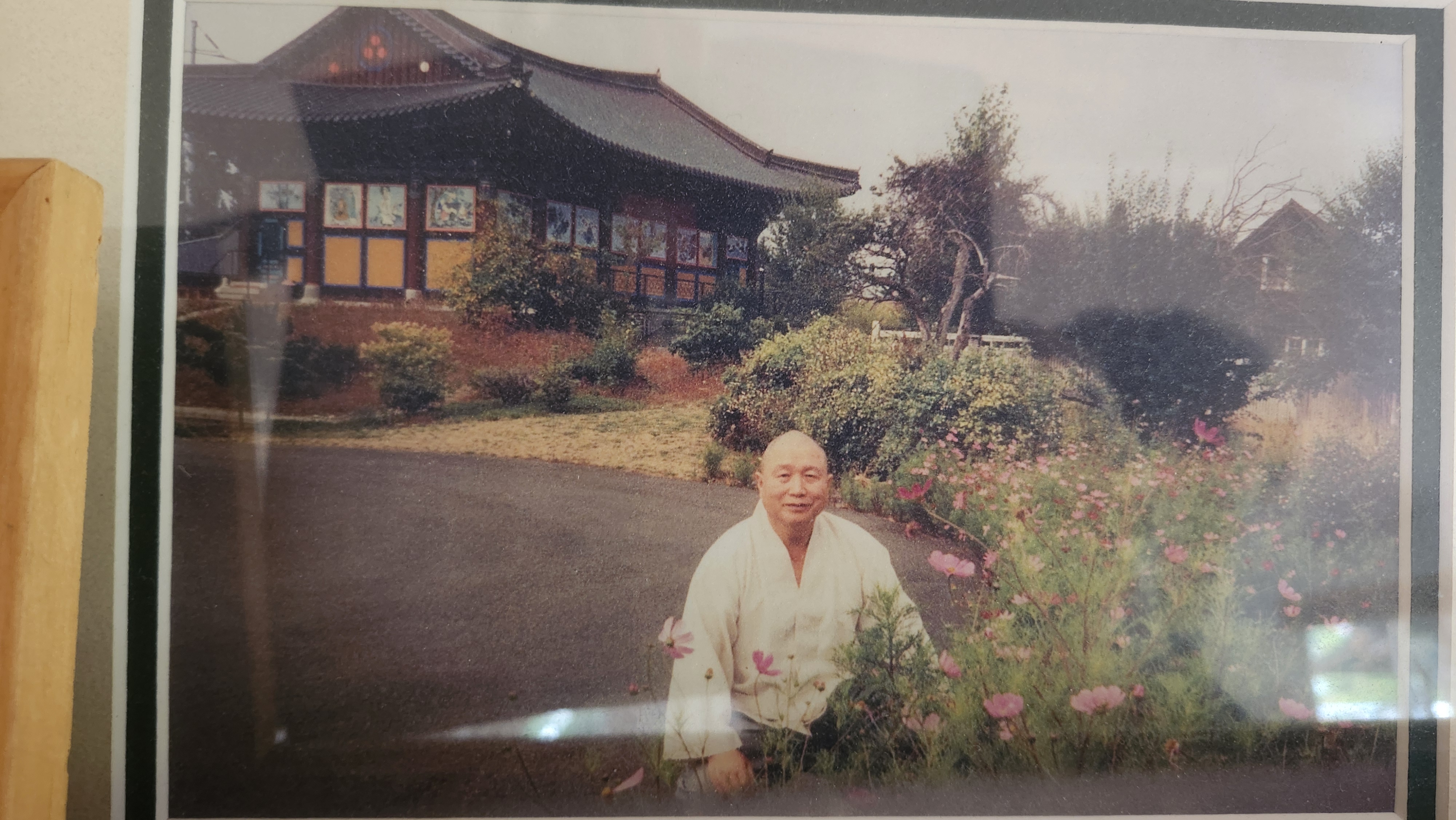
팔씨름에서 모두를 이길 만큼 강인했으나, 일면스님은 언제나 온화한 미소와 침묵으로 진리를 전했다. 스승의 화두 ‘이뭣고?’(이것은 무엇인가?)는 현담스님에게도 전해져 수행의 등불이 되었다.
마지막 나날들
80대에 접어들며 건강을 걱정하는 신도들에게 미소로 답했다. 하지만 코로나와 끊임없는 천도제 봉행으로 몸은 점차 쇠약해졌다. 그만큼 말보다는 행동과 노력을 다하는 삶을 사셨던 분이었을 것이다.
2022년 10월, 추모 천도제 기간 즈음 그가 몰던 차는 작은 손상만 남긴 채, 심장이 멎었다. 이는 마지막까지도 다른 이에게 피해를 주지 않으려 하셨던 스님의 자비심이 느껴지는 장면이라 추측할 수 있었다.
여러 차례 제세동기를 사용해 병원에서 심폐소생을 시도했으나 회복하지 못했고, 세수 83세로 공식 입적했다. 장례식은 서미사에서 엄수되었으며, 많은 신도와 도반이 마지막 길을 배웅했다. 그의 유골과 사리는 서미사 한편 작은 탑 안에 모셔졌다.
남겨진 울림과 그 후
49재를 마친 뒤, 서미사는 스님의 숨결과 정신이 편안히 머무는 고요한 공간이 되었다. 햇살과 바람이 법당을 감싸고, 현담스님은 스승의 기운을 이어 서북미 불교의 길을 밝히고 있다. ‘이뭣고?’(이것은 무엇인가?)라는 화두는 법당 곳곳에 울려 퍼져 수행자들의 길잡이가 되고 있다. 스님의 가르침은 조용히 탑 안에서 머물며, 수많은 이들의 마음속 등불로 영원히 남아 있을 것이다.
A Young Boy from Hamhung
Venerable Ilmyeon was born in 1939 into a well-off family in Hamhung, South Hamgyong Province (now part of North Korea). His early childhood was relatively stable, but when he was 10 years old, the Korean War broke out, and he fled with his parents to Seoul. The year he graduated from high school, he decided to dedicate his life to the Buddhist path.
During his time at Woljeongsa Temple on Odaesan Mountain, the renowned monk Tanheo remarked about him: “In a past life, he accumulated great merit. In this life, he will live off that merit until the end of his days.” Buddhist Master Tanheo was a towering figure in modern Korean Buddhism, respected for both his strict practice and profound insight.
Note: Buddhist Master Tanheo was a master scholar and practitioner, the first to fully translate the Avatamsaka Sutra into Korean, blending Eastern and Western philosophies. He was also known for his deep understanding of Confucianism and Daoism and for accurately predicting key political and social changes in modern Korean history.
Venerable Ilmyeon also trained under another great master, Master Seongcheol at Haeinsa Temple. Master Seongcheol is considered a modern symbol of Korean Seon (Zen) Buddhism, famous for his pure discipline and rigorous meditation practice.
At Myogwansan Temple in Gijang, Busan, Ilmyeon trained under Master Hyanggok, renowned for his strict and intense practice. Ilmyeon devoted himself completely to long, immobile seated meditation, determined to attain enlightenment.
Note: “Long-seated meditation” refers to sitting in one position for extended periods without moving, and “receiving recognition” from a teacher signifies formal acknowledgment of one’s practice and progress toward enlightenment.
Like the Buddha under the Bodhi tree, who resolved not to rise until attaining enlightenment, Ilmyeon’s dedicated practice and resolve were part of this same deep tradition.
Master Tanheo wiki Kr
Master Seongcheol wiki En
Young Practitioner
Ilmyeon’s roots were firmly in the Hanam lineage of Odaesan. He trained under strict masters, dedicating himself to early morning rituals, copying scriptures, and long seated meditation. During his time at Haeinsa under Master Seongcheol, his practice deepened profoundly. He also studied under Master Wolha at Tongdosa, who regarded him with special affection and continued to encourage him even after he moved to the U.S.
Tall, fair-skinned, and strong, he earned the nickname “White Bear,” known for both strength and gentleness.
Master Seongcheol set the standard for Korean Seon, emphasizing strict practice and pure discipline. Buddhist Master Tanheo influenced the course of modern Korean Buddhism through his scholarship and insight. Master Hyanggok was renowned for his intense, disciplined practice. Ilmyeon absorbed the essence of these teachers, shaping his path through body and mind.
Meeting the Teacher and the Koan
As a young monk, Ilmyeon spent three years closely assisting a teacher, learning the path of a practitioner through service and study. During that time, the teacher quietly struck a bell and posed the question:
"Who is it that hears this sound?"
This question became a guiding light through Ilmyeon’s lifelong journey of contemplation and insight.
In the third year, the teacher suddenly left without a word. It must have been a profound shock, and over time, it may have taught Ilmyeon that even a teacher eventually leaves and that the true guidance lies within oneself. This koan, “What is this?”, was passed down to his disciple, Hyundam monk, and continues to resonate at Seomisa Temple.
Journey to America and Founding Seomisa
In 1978, Ilmyeon moved to California as the founding abbot of Sambo Temple. After two years, due to internal conflicts, he stepped down and struggled to make a living in Los Angeles. In 1983, he took responsibility for a small temple space in Tacoma, Washington, laying the foundation for Seomisa. Construction of the temple buildings began in earnest in the early 1990s and was completed in 1996.
Building Seomisa
From 1983 onward, for nearly ten years, Ilmyeon devoted himself tirelessly to building Seomisa. He sourced materials and craftsmen from Korea and Canada and worked closely with local practitioners to construct the temple, nail by nail. Balancing meditation and construction from dawn to late night, he poured every bit of his energy and attention into the project.
By 1996, Seomisa stood as a beautiful Korean-style temple near Tacoma’s Korean community, admired by both Koreans and Americans. The name Seomisa (West Beauty Temple) was given by Master Wolha , expressing the hope that it would become the foremost temple in the western U.S.
The Gentle “White Bear”
Although strong enough to win in arm wrestling, Ilmyeon always conveyed truth through quiet smiles and gentle presence. The koan “What is this?” was passed on to his disciple Hyundam monk, becoming a guiding light for meditation practice.
Final Days
In his 80s, he greeted concerned disciples with a smile. Yet the pandemic and continuous memorial services gradually weakened him. In October 2022, during a memorial period, he passed away while driving. His car sustained only minor damage, reflecting the monk’s compassion in ensuring he caused no harm to others even in his final moments.
Multiple resuscitation attempts at the hospital were unsuccessful, and he passed away at the age of 83. His funeral was held at Seomisa, attended by many disciples and followers. His ashes and relics were enshrined in a small pagoda on the temple grounds.
Legacy and Continuing Influence
After the 49-day mourning period, Seomisa became a serene space where his spirit and presence could rest. Sunlight and wind flowed through the temple, and Hyundam monk continues to carry forward the master’s teachings, lighting small lamps of compassion for those on the Buddhist path.
The koan “What is this?” echoes throughout the temple, guiding practitioners. The master’s teachings quietly remain in the pagoda, a lasting light in the hearts of countless people.
Uploaded files:- You need to login to have access to uploads.